Design by{" "} Seo To Webdesign
AED Machine
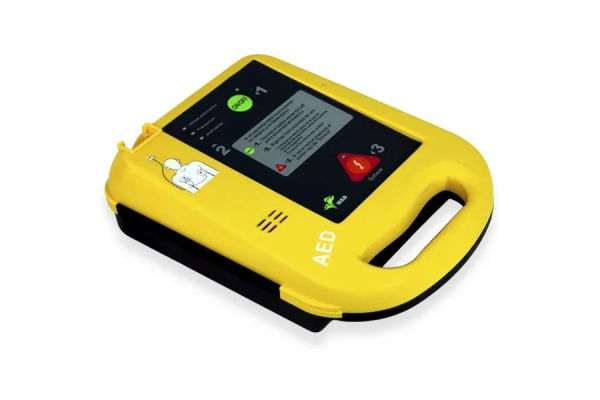
What Is An AED Machine?
An Automated External Defibrillator (AED) is a portable, life-saving device designed to treat sudden cardiac arrest (SCA). It delivers an electric shock through the chest to the heart, aiming to restore a normal heart rhythm. Easy to use by both medical professionals and laypersons, AEDs are commonly found in hospitals, schools, offices, airports, malls, and even homes.
At YNB Healthcare, we supply advanced AED machines that are user-friendly, compact, and reliable—ensuring that critical treatment can be administered within seconds during emergencies.
Benefits Of Using an AED
Saves Lives in Minutes
AEDs drastically improve survival rates when used within 3–5 minutes of cardiac arrest.
User-Friendly
Built-in voice and visual prompts guide users throughout the process.
Safe for Use
Smart technology ensures a shock is delivered only when medically necessary.
Lightweight & Portable
Ideal for public spaces, workplaces, and emergency responders.
Reliable Diagnosis
Accurate rhythm analysis minimizes errors in treatment.
When Is an AED Used?
AEDs are used in emergency cases of:
Ventricular Fibrillation (VF)
erratic heartbeats
Ventricular Tachycardia (VT)
extremely rapid heartbeats
Sudden Cardiac Arrest (SCA)
complete cessation of heartbeat
It is not used on individuals who are conscious, breathing normally, or showing signs of circulation.
How Does An AED Work? – Step-by-Step Guide
Turn on the AED
Most units activate with a single button or by opening the lid.
Expose the Chest
Remove clothing and wipe the chest dry if needed.
Attach Electrode Pads
Stick the AED pads to the patient’s chest as illustrated on each pad.
Let the AED Analyze
The machine will analyze the heart rhythm. Do not touch the patient during this phase.
Shock Delivery (If Needed)
If the AED advises a shock, ensure everyone is clear and press the “shock” button.
Report and Diagnosis
Continue chest compressions immediately after the shock and follow AED prompts.
Potential Risks And Limitations
Although AEDs are incredibly safe, potential concerns include:
Minor skin burns or irritation from electrode pads
Failure to revive if used too late or improperly
Misuse if training and instructions are ignored
Not suitable for use in patients with implanted defibrillators
Precautions To Take While Using An AED
Do not use in wet or metallic environments
Avoid placing pads over medical patches or pacemakers
Ensure no physical contact during shock delivery
Keep away from mobile phones or radios during operation
Confirm the patient is not in contact with conductive surfaces
Who Should Use An AED?
While medical professionals are trained to use AEDs, they are designed for:
Bystanders in public spaces
Office staff in corporate buildings
Gym trainers, coaches, school staff
Flight crews, security personnel, and paramedics
Family members of heart patients
When Should You Consider Buying An AED?
If you manage a public building like a mall, school, gym, or hotel
If you're a corporate office aiming to comply with safety regulations
If you live with elderly or heart-compromised individuals
If you’re part of a first responder or volunteer group
If you want to be prepared for emergencies in residential communities
Book Your Consultation With YNB Healthcare
An AED Machine is more than just a device—it’s a bridge between life and death in the crucial moments following cardiac arrest. With its ability to empower ordinary people to save lives, it is a must-have in today’s health-conscious, fast-paced world.
At YNB Healthcare, we ensure that every AED we provide is reliable, efficient, and backed by comprehensive support. Whether you're a healthcare facility, corporate, or homeowner, we help you stay prepared when every second counts.
Secure a safer tomorrow—choose YNB Healthcare for your AED needs today.
Features
- Automated Voice and Visual Prompts
- Automatic Rhythm Analysis
- Biphasic Shock Technology
- CPR Guidance
- Quick Shock Delivery
FAQ
-
Q1: Can I accidentally shock someone who doesn’t need it?
No. AEDs automatically assess heart rhythm and only allow shocks if needed.
-
Q2: What’s the difference between an AED and a manual defibrillator?
Manual defibrillators are used by doctors. AEDs are automated for non-medical users.
-
Q3: Do AEDs work on children?
Yes, with pediatric pads or settings for children under 8 years or below 25 kg.
-
Q4: How often should the AED be maintained?
Battery and pads should be checked regularly. YNB provides maintenance support.
-
Q5: Can I keep an AED at home?
Yes. If you or a family member has heart conditions, it’s a wise preventive step.