Design by{" "} Seo To Webdesign
Buccal Fat
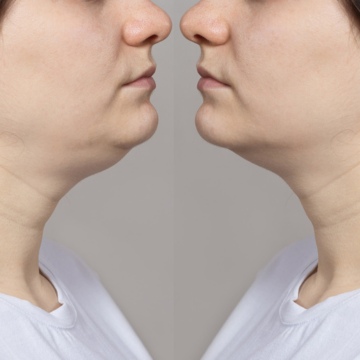
Buccal fat refers to the fat pads located in the lower part of your cheeks, around the mouth area. These fat pads are naturally present and can contribute to a fuller face. While some people are born with more prominent buccal fat, others may develop it over time, giving the appearance of chubby cheeks. Buccal fat removal surgery is a cosmetic procedure aimed at reducing this excess fat to achieve a more sculpted, contoured facial appearance. This procedure has gained popularity for individuals seeking more defined cheekbones and a slimmer face.
What Is Buccal Fat Removal Surgery?
Buccal fat removal surgery is a cosmetic procedure designed to reduce the size of the buccal fat pads, thereby contouring the face and creating a slimmer, more defined appearance. The surgery is performed through small incisions made inside the mouth, so no external scars are visible. The surgeon will remove a specific amount of fat from the buccal pads to enhance the shape of the face, often to accentuate the cheekbones or create more pronounced facial contours. The procedure is typically performed under local anesthesia and may take around 30 minutes to an hour, depending on the complexity of the surgery.
Buccal Fat Removal Options
There are several options available for those interested in buccal fat removal:
- Traditional Buccal Fat Removal: This involves making small incisions inside the mouth to remove the excess buccal fat. The surgery is minimally invasive and provides permanent results.
- Liposuction: Although less common for buccal fat removal, liposuction can be used to remove excess fat from the cheek area. It involves inserting a thin tube (cannula) into the area to suction out the fat.
- Non-Surgical Fat Reduction: Some people may opt for non-invasive treatments like Kybella, a fat-dissolving injection, or other similar treatments. While not as effective for buccal fat as surgery, these options can offer a temporary reduction in fat.
Diagnosis & Evaluations Before Buccal Fat Removal Surgery
Before opting for buccal fat removal surgery, a thorough evaluation is necessary:
Who Is The Right Candidate For Cheek Fat Reduction?
The right candidates for buccal fat removal are those who:
Buccal Fat Removal Surgery
The procedure for buccal fat removal surgery begins with a consultation to assess your needs and discuss your goals. The surgery itself is minimally invasive, with incisions made inside the mouth, near the back of the cheek. The surgeon will carefully remove the desired amount of buccal fat and may shape the area for a more natural, balanced look. After the fat is removed, the incisions are closed with dissolvable stitches, and the procedure is complete. Most patients can return home the same day, though they may need to follow certain aftercare instructions to ensure proper healing.
Benefits Of Buccal Fat Removal Surgery
Buccal fat removal surgery offers several benefits:
Preparation Before Buccal Fat Removal
Preparation for buccal fat removal surgery includes several important steps:
Buccal Fat Reduction Procedure
The buccal fat reduction procedure is relatively quick and minimally invasive. After administering local anesthesia, your surgeon will make small incisions inside your cheeks, near the back of the mouth. The buccal fat is carefully extracted, and the incisions are closed with dissolvable stitches. The entire process typically takes about 30 minutes to an hour. Post-surgery, patients may experience some swelling and discomfort, but this usually subsides within a few days. Most individuals can resume normal activities within a week, though strenuous exercise should be avoided for a few weeks.
Buccal fat removal surgery can be a life-changing procedure for those looking to slim down their facial appearance and enhance their overall facial contours. By consulting with a skilled surgeon and understanding the procedure, benefits, and recovery process, you can make an informed decision about whether this cosmetic surgery is right for you.
Features
- Located in the lower cheeks: Buccal fat is found in the hollow area of the cheeks, beneath the cheekbones and in front of the ear.
- Can contribute to fuller face: Excess buccal fat can cause a rounder, softer facial appearance, leading to the appearance of "chubby cheeks."
- Genetic trait: The amount of buccal fat a person has can be inherited, making some individuals more prone to having fuller cheeks.
- Affects facial aesthetics: For some individuals, excess buccal fat can hinder a more sculpted facial profile, leading them to seek surgical intervention.
- Surgical removal is permanent: Once the buccal fat is removed, it typically does not return, providing long-lasting results.