Design by{" "} Seo To Webdesign
Rhinoplasty Surgery
What is Rhinoplasty?
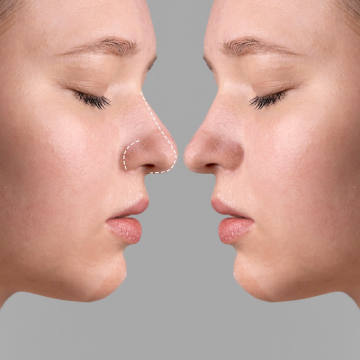
Rhinoplasty is a surgical procedure aimed at reshaping the nose. It can address both aesthetic concerns and functional issues, such as breathing problems caused by structural abnormalities.
Common Goals of Rhinoplasty:
- Altering the size or shape of the nose.
- Correcting nasal asymmetry.
- Reshaping the tip of the nose.
- Straightening a crooked nose.
- Fixing structural issues like a deviated septum for better breathing.
Rhinoplasty is performed under general or local anesthesia, depending on the complexity of the procedure. The surgery typically lasts between 1 to 3 hours, followed by a recovery period.
Types of Rhinoplasty Surgery
Rhinoplasty procedures can be categorized based on the purpose and techniques used:
- Cosmetic Rhinoplasty:
- Focuses on making the nose seem better.
- Addresses concerns like bumps, uneven nostrils, or a drooping nasal tip.
- Functional Rhinoplasty:
- Aimed at improving nasal function and resolving breathing issues.
- Often involves correcting a deviated septum or reducing nasal obstructions.
- Reconstructive Rhinoplasty:
- Repairs damage caused by trauma, injuries, or previous surgeries.
- May involve grafting tissue to rebuild the nose structure.
- Revision Rhinoplasty:
- Carried out to improve or rectify the outcomes of an earlier rhinoplasty.
- Requires expertise as it involves working on altered nasal structures.
- Non-Surgical Rhinoplasty:
- Uses dermal fillers to make minor adjustments to the nose shape.
- Temporary and less invasive compared to surgical options.
Who Can Consider Rhinoplasty Surgery?
Rhinoplasty is suitable for individuals seeking to enhance their nasal appearance or address functional concerns. Ideal candidates include:
- Adults:
- People above 18 years of age, as the nasal structure is fully developed.
- Individuals with Breathing Problems:
- Those experiencing nasal obstruction or difficulty breathing due to structural issues.
- People with Aesthetic Concerns:
- Individuals unhappy with the size, shape, or symmetry of their nose.
- Trauma Patients:
- Those needing correction after an accident or injury.
- Healthy Individuals:
- People with no significant medical conditions that could affect healing.
Factors to Consider Before Rhinoplasty:
- Realistic expectations about the results.
- Awareness of the recovery process and potential risks.
- Willingness to follow postoperative care instructions.
Benefits of Rhinoplasty Surgery
Rhinoplasty offers both cosmetic and functional benefits, significantly improving the patient’s quality of life.
- Enhanced Appearance:
- Achieve a balanced facial profile with a nose that complements other features.
- Boost self-confidence by addressing long-standing aesthetic concerns.
- Improved Nasal Function:
- Resolve breathing issues caused by a deviated septum or other obstructions.
- Enjoy better sleep quality and reduced snoring.
- Correction of Injuries or Defects:
- Restore normal appearance and function after trauma or congenital defects.
- Long-Lasting Results:
- Surgical rhinoplasty provides permanent changes, making it a worthwhile investment.
- Better Emotional Well-Being:
- Enhanced confidence and satisfaction with one’s appearance can lead to a more positive outlook on life.
At YNB Health Care, we understand that rhinoplasty is more than just a surgery—it’s a step toward improved self-esteem and well-being. Our dedicated team ensures that every patient receives personalized care and achieves their desired results.
If you’re considering rhinoplasty, schedule a consultation with YNB Health Care today. Let us guide you through the process and help you achieve a nose that enhances both your appearance and confidence.
Features
- Experienced Surgeons: Our team of highly skilled plastic surgeons ensures precision and care during the procedure.
- State-of-the-Art Facilities: Advanced technology and modern surgical techniques ensure superior outcomes.
- Customized Treatment Plans: Every patient receives a personalized approach tailored to their unique needs and goals.
- Natural-Looking Results: Our focus is on achieving balanced and aesthetically pleasing results that enhance facial harmony.
- Comprehensive Care: From consultation to recovery, we offer complete guidance and support throughout the process.
- Focus on Safety: Adherence to the highest safety standards ensures minimal risks and quick recovery.