Design by{" "} Seo To Webdesign
Rotator Cuff Repair
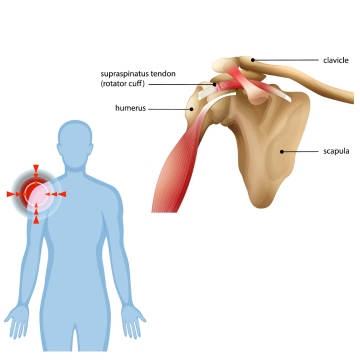
What Is Rotator Cuff Repair?
Rotator cuff repair is a surgical procedure designed to fix tears in the tendons of the rotator cuff, a group of muscles and tendons that stabilize the shoulder joint. These tears can occur due to injuries, repetitive motion, or natural wear and tear with age. The surgery reconnects the torn tendon to the bone, helping restore normal function and reducing pain. It can be performed using minimally invasive arthroscopic techniques or through open surgery, depending on the severity of the tear and the patient’s condition.
What Are The Types Of Rotator Cuff Repair Surgery?
- Arthroscopic Repair: A minimally invasive procedure where a small camera and instruments are used to repair the tendon through tiny incisions.
- Open Repair: A traditional method involving a larger incision to access and repair severe tears or reattach tendons directly to the bone.
- Mini-Open Repair: A combination of arthroscopy and open surgery, used for moderate tears, allowing for a more direct approach with smaller incisions.
- Tendon Transfer: In cases where the rotator cuff tendon is irreparable, another tendon is moved to take over its function.
Diagnosis Before Rotator Cuff Repair Surgery
Before deciding on rotator cuff repair surgery, an accurate diagnosis is critical. A healthcare provider will assess the patient’s symptoms, including pain, weakness, or reduced mobility in the shoulder. Physical examinations are conducted to evaluate the range of motion and strength. Diagnostic imaging tests such as X-rays, MRIs, or ultrasounds are used to confirm the presence, size, and severity of the tear. These tests also help rule out other conditions, such as arthritis, that might contribute to shoulder problems.
What Is The Procedure For Rotator Cuff Repair Surgery?
The procedure for rotator cuff repair surgery varies based on the type of surgery chosen. Under anesthesia, the surgeon makes incisions to access the damaged area. In arthroscopic repair, small incisions are made for inserting a camera and specialized tools to sew the torn tendon back to the bone. For open or mini-open repairs, larger incisions are used to directly access the tendon. After reattaching the tendon, the incisions are closed, and the shoulder is immobilized in a sling to allow healing. The entire procedure typically takes 1-2 hours.
Who Is The Right Candidate For Rotator Cuff Repair Surgery?
The ideal candidate for rotator cuff repair surgery is someone experiencing persistent shoulder pain, weakness, or limited mobility that does not improve with non-surgical treatments like physical therapy or medications. This includes individuals with a full-thickness tear or a severe partial tear of the rotator cuff tendons. Candidates should be in good overall health and willing to commit to the rehabilitation process following surgery. Younger, active individuals or those whose work demands shoulder strength are particularly suitable for this procedure.
What Are The Benefits of Rotator Cuff Repair Surgery?
Rotator cuff repair surgery offers several benefits, including significant pain relief, improved shoulder strength, and restored range of motion. By repairing the tear, the surgery prevents further damage to the shoulder joint and enhances its overall functionality. Patients often regain the ability to perform daily tasks, participate in physical activities, and enjoy a better quality of life. For individuals with physically demanding jobs or hobbies, the surgery enables them to return to their activities with reduced discomfort and greater confidence.
How To Prepare For Rotator Cuff Repair Surgery?
Preparing for rotator cuff repair surgery involves several steps to ensure a smooth procedure and recovery. Patients should consult their surgeon to discuss the procedure, risks, and expected outcomes. Pre-surgery tests like bloodwork and imaging may be required. It’s essential to stop medications like blood thinners as advised. Arrangements for post-surgery care, such as setting up a recovery space at home and organizing transportation, should be made in advance. Maintaining a healthy diet, avoiding smoking, and staying active with light exercises (as approved by the doctor) can also aid in faster recovery.
Features
- A surgical procedure to repair torn tendons in the shoulder.
- Aims to relieve pain, restore shoulder strength, and improve mobility.
- Includes minimally invasive arthroscopic techniques or traditional open surgery.
- Requires accurate diagnosis through imaging like MRI or ultrasound.
- Post-surgery rehabilitation is essential for full recovery and optimal function.
- Effective for treating injuries caused by trauma, aging, or overuse.